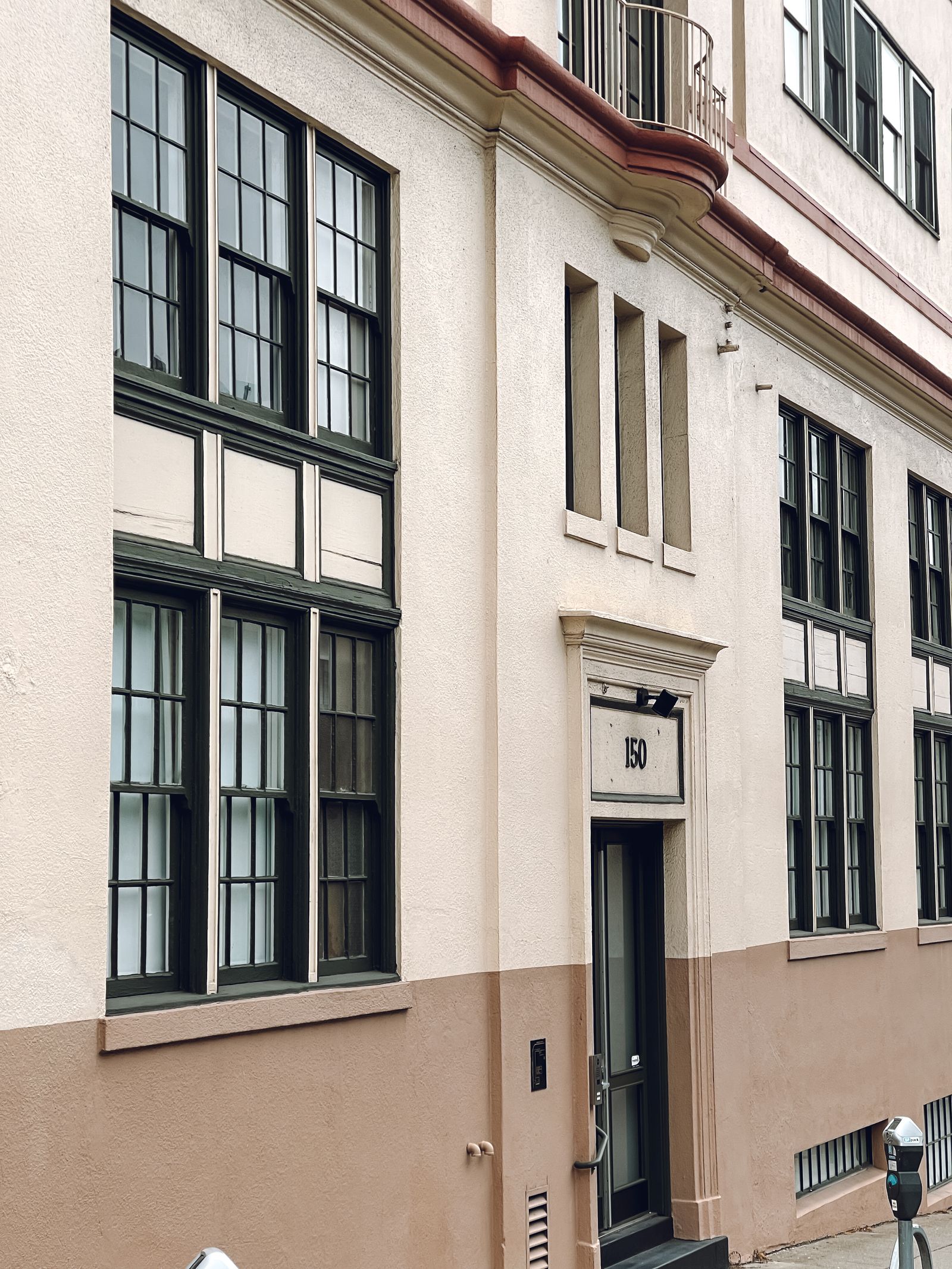
Soft washing treats suitable soil with controlled force
Soft washing generally combines a compatible cleaning solution, controlled dwell time, and a lower-pressure rinse on suitable organic and atmospheric soils. It may fit algae-like growth, pollen, mildew-like staining, bird residue, and some surface film on compatible brick, concrete, painted surfaces, stucco, EIFS, and other materials after evaluation. The purpose is to release contamination without relying on unnecessary mechanical force. Soft washing is not a universal stain remover: minerals, oxidation, exhaust, embedded soil, efflorescence, failing coatings, and a recurring moisture path can require another treatment or repair.
The method label is only the beginning. Chemistry can affect plants, metal, glazing, sealants, coatings, and wash-water handling. Springfield's cold-season residue and spring pollen may sit together at a lower wall, while summer humidity keeps a shaded elevation damp. A complete quote should describe testing, dwell, rinse, protection, air intakes, occupants, drainage, and limitations rather than treating low pressure as a guarantee of safety or a guarantee of appearance.
- Choose the process for the surface and soil, not a preset pressure number.
- Review chemistry, dwell, rinse, glazing, metals, vegetation, public routes, and runoff together.
- Test representative areas when coatings, repairs, or stain causes are uncertain.
- Separate routine cleaning from restoration, repair, leak diagnosis, and coating replacement.
Pressure washing has a role on selected durable zones
Pressure washing can be useful on durable, compatible surfaces and localized deposits when pressure at the surface, flow, nozzle, distance, angle, and operator control are appropriate. Some service aprons, curbs, loading areas, and hardscape may tolerate controlled pressure after inspection. An advertised pressure rating does not predict the result by itself. Excessive force can etch concrete, remove mortar, lift paint, disturb sealants, damage EIFS, expose aggregate, or drive water behind panels and openings.
A Springfield building may reasonably use more than one method. A soft wash could address organic staining on a brick upper wall, controlled pressure could fit a durable loading apron, hand work could detail a sign band or entrance, and a water-fed pole could be considered for suitable glass. The method map should explain the reason for each choice and identify the boundary between cleaning and restoration. It should also state where a deposit may remain because removing it would risk the substrate.
Pressure can also create more water movement than a lower-pressure process. On a sloped parking lot, garage approach, or warehouse yard, that affects drain protection, adjacent doors, landscaping, and shared traffic. On a downtown sidewalk, it can affect pedestrians and storefronts. Method selection therefore includes the site's operating system, not only the facade's hardness.
- Reserve pressure for surfaces and zones evaluated for that method.
- Treat pressure, flow, nozzle, distance, and angle as a complete operating picture.
- Protect joints, coatings, glazing, sealants, openings, equipment, and active routes.
- Use a test area when the material, coating, or previous repair history is unclear.
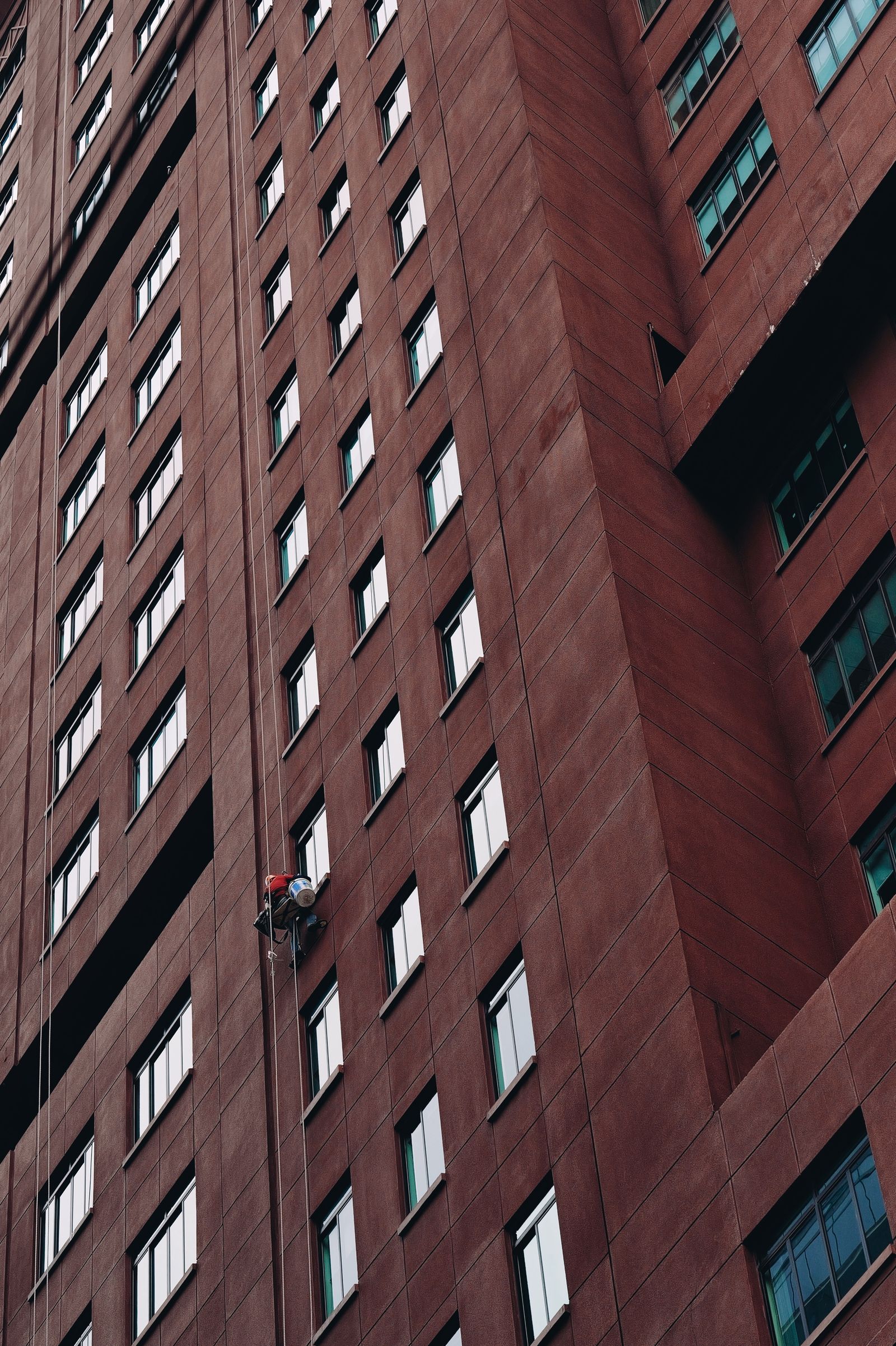
Match the method to how Springfield properties operate
Downtown Springfield and the North End can put sidewalks, bus movement, storefronts, offices, restaurants, hotels, and public-facing entrances close to the work zone. A method that is technically capable of cleaning a wall may still be a poor choice if it creates uncontrolled mist, long hose crossings, loud operation during arrivals, or water moving toward a busy door. A phased elevation plan and a protected accessible route can matter more than finishing every wall in one mobilization.
Boston Road and Sixteen Acres properties commonly combine storefront glass, signs, awnings, parking lanes, landscape islands, and multiple tenants. The quote should address opening time, deliveries, drive-through or customer movement, and how water is kept away from doors and shared pavement. Medical, education, and institutional properties near State Street or other busy corridors may need patient, student, staff, service, security, and air-intake coordination. The cleaning method needs to support the building's duty of care and schedule.
Indian Orchard and East Springfield industrial properties may prioritize docks, truck lanes, security, broad metal elevations, exhaust residue, oxidation, dust, and yard drainage. A soft wash may help compatible organic or atmospheric film, while pressure may fit selected hardscape or a durable service zone. Neither should be used to disguise corrosion, failed coatings, damaged joints, or a building-envelope problem. The right proposal makes the method and its limits visible.
Let winter residue and stormwater change the decision
Springfield's snow and freeze-thaw exposure can leave salt and grit at thresholds, curb-facing walls, parking decks, garage ramps, lower masonry, and loading areas. A high-force rinse may move that material quickly, but it can also push water under a door, toward an unexpected inlet, or into a vulnerable joint. A lower-pressure treatment may offer better control on a facade, while a durable apron could be handled separately. The final choice should follow the material, the deposit, and the receiving environment.
Spring and summer add pollen, humidity, heavy rain, shade, and thunderstorms. A shaded wall can need more controlled dwell and drying than a sunlit panel. Rain can dilute chemistry or redirect rinse water through a parking field. Lightning and wind may stop any method, while high surface temperature can change evaporation and worker exposure. The schedule should include forecast and field-condition checks, plus a rescheduling trigger that protects the property and the intended result.
Wash water near the Connecticut River watershed needs deliberate management. A visible storm drain is not automatic permission for treated water, and the correct controls depend on products, soil load, rinse volume, slope, landscaping, and site requirements. Ask who identifies low points, protects drains, monitors the first rinse, responds to unexpected flow, and confirms disposition. If recurring streaks point to a downspout, roof edge, planter, or failed joint, cleaning should be separated from the repair decision.
Consider aerial assistance only after site feasibility
Height alone should not decide between soft washing and pressure washing, and it should not automatically decide for a drone. Aerial assistance may support broad upper areas when the building geometry, wind, airspace, launch and recovery space, visual control, public separation, water management, and security conditions support it. A drone cannot replace close condition assessment, hand detailing, contact glass work, repair, or a method that the facade cannot tolerate. Commercial operations also remain subject to applicable Federal Aviation Administration requirements.
Springfield sites can include overhead utilities, mature trees, rooftop equipment, parking structures, active roads, neighboring tenants, secure areas, and limited staging. The review should identify the working boundary, spotters, pedestrian controls, hose route, drain plan, and fallback access method. If the location or date does not support aerial work, a pole, lift, ground, or hybrid method may be the better choice. A useful quote says where aerial assistance is expected to help and where it is not part of the promise.
The same discipline applies to pressure. Ask which elevations receive soft wash, controlled pressure, hand work, pole work, lift access, or no treatment; why each method is selected; what result is expected; and what deposit or damage is excluded. That turns a technology conversation into a property decision the facilities team can defend.
Use a Springfield quote to make the choice defensible
Ask for included elevations, materials, test areas, method by zone, access equipment, working hours, protection, occupant coordination, runoff assumptions, weather contingencies, documentation, and exclusions. Send photos of the primary entrance, shaded wall, upper elevation, roof edge, loading area, windows, landscaping, parking-side drainage, and any recurring streak. Include the desired result: a general appearance reset, winter-residue cleanup, event preparation, tenant turnover, recurring maintenance, or investigation of a single stain.
A strong recommendation may be a hybrid scope. Soft washing can treat one compatible facade, controlled pressure can clean a durable service area, hand work can protect architectural detail, and another trade can address failing joints or a roof leak. To discuss a Springfield property, get in touch with the address and operating constraints so the cleaning team can compare the methods honestly and prepare a quote around the finish, access, water controls, and handback the property needs.